When people hear “24/7 emergency HVAC service,” they often picture one simple promise: if the furnace quits at midnight or the air conditioner dies on a Sunday, someone answers the phone and shows up fast. That is part of it, but in Ogden, HVAC service Ogden UT the phrase carries more weight than a catchy line on a service truck.
This area asks a lot from heating and cooling equipment. Ogden sits at roughly 4,300 to 5,200 feet above sea level, and the weather swings hard enough to expose every weak point in a system. Average July temperatures land in the mid-80s. Average January temperatures sit in the mid-20s. Those are not extreme numbers by mountain west standards, but they are more than enough to make a bad night feel urgent when your furnace stops producing heat or your AC quits during a hot stretch.
A real emergency service call is about more than comfort. It is about timing, safety, indoor air quality, and knowing which problems can wait until morning and which ones should not.
Emergency service is not the same thing as “we take calls after hours”
That distinction matters.
Plenty of companies accept messages at all hours. That does not always mean they have an actual technician available for no-heat, no-cool, or safety-related calls. Sometimes “24/7” means an answering service will put you on the schedule for the next business day. Sometimes it means only certain issues qualify for immediate dispatch. Sometimes it means help is available, but only if parts, weather, and staffing line up.
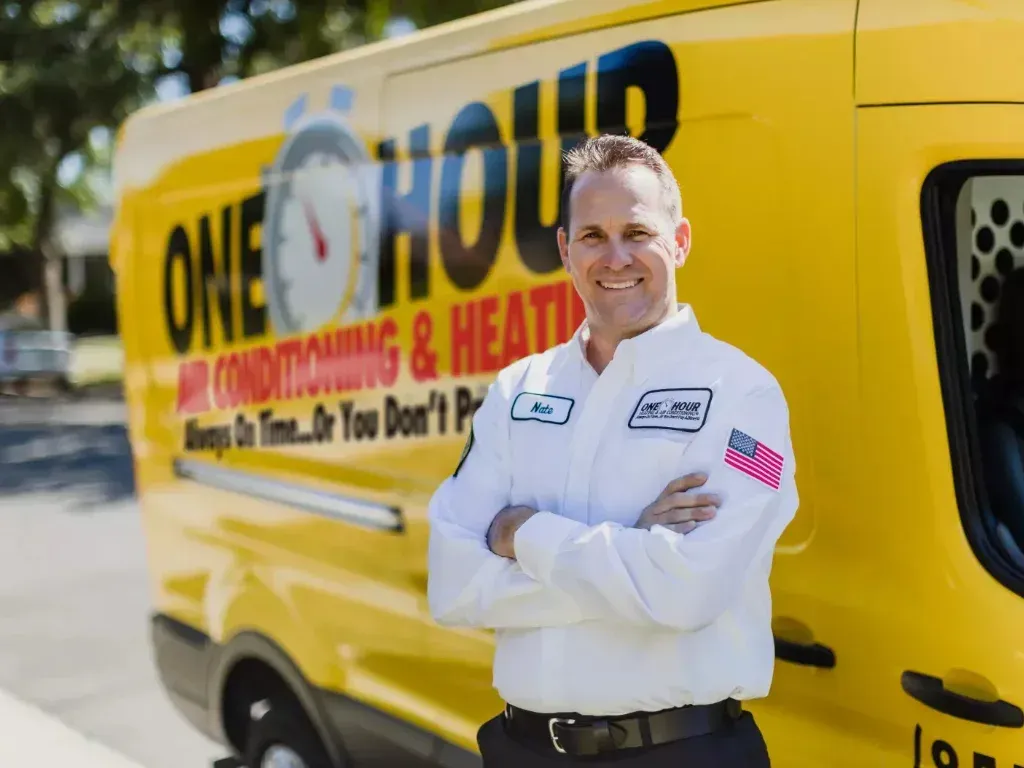
A true after-hours emergency offering usually means there is a process in place for triage. Someone determines whether the problem involves a complete heating loss, a complete cooling loss, a suspected safety issue, or a less urgent malfunction. That sounds basic, but it is the difference between a company that understands what an emergency is and one that uses the word loosely.
In real life, emergency HVAC work tends to fall into a few clear categories:
- no heat during cold weather no cooling during significant summer heat system conditions that may affect indoor air quality or safe operation equipment shutdowns tied to power or outage-related problems situations where vulnerable occupants are at greater risk
That last point gets overlooked. The same equipment failure can be an inconvenience in one house and a genuine emergency in another. A family with a healthy backup heat source may be able to wait. A household with infants, older adults, or people with health concerns may not have that cushion.
Why Ogden changes the conversation
An HVAC emergency in Ogden is shaped by the local climate and local air conditions.
Winter is the obvious place people’s minds go first. Mid-20s average January temperatures mean a furnace failure is not just uncomfortable, especially overnight. Indoor temperature can drop quickly enough to create a stressful situation, particularly in older homes, draftier homes, or houses where only one system serves the entire space.
Summer deserves equal respect. Mid-80s average July temperatures may not sound brutal on paper, but indoor conditions can still become miserable fast when cooling fails, particularly in second-story spaces or homes that hold heat. If the issue arrives during an extended hot spell, a weekend, or a holiday, the ability to get a real response after hours becomes more than a convenience.
Then there is the air.
Utah winter inversions are a major part of how emergency HVAC service should be understood in this region. During inversions, cold air gets trapped near the valley floor under warmer air. Calm winds, clear skies, long nights, and snow cover make the buildup worse. Pollution from vehicles, wood burning, businesses, and industry can become trapped near the ground. In a typical winter, Utah sees around five to six multi-day inversion episodes and about 18 days with high PM2.5 levels.
That matters for homeowners because a heating system does more than make warm air. HVAC systems also play a role in maintaining indoor air quality through ventilation and filtration. If your system goes down during a period of poor outdoor air, the problem is not limited to temperature. It can affect how well you manage air inside the home, especially if you are already relying on filtration strategies to reduce indoor particle levels.
A lot of people assume their forced-air system brings in fresh outside air as part of normal operation. Most residential systems do not mechanically do that. That is one reason emergency HVAC service is not just about restarting a machine. It is also about understanding what the home is and is not doing for ventilation, filtration, and overall indoor air quality during a failure.
What counts as a real HVAC emergency
Some problems sound dramatic but can wait until morning. Others sound minor but should move to the front of the line. Experience matters here, because the right judgment can save a homeowner from either overreacting or waiting too long.
If the system has stopped entirely and the house is losing heat on a cold Ogden night, that is a legitimate emergency. If the AC has completely failed during a hot weekend and indoor temperatures are steadily climbing, that can also justify immediate response. If there is concern about indoor air quality due to a system failure during an inversion, the urgency can rise.
By contrast, a system that still runs but makes an odd noise may or may not need midnight service. Uneven temperatures from room to room are frustrating, but unless they are tied to a complete shutdown or a more serious condition, they usually belong in a prompt daytime visit rather than an emergency dispatch.
One thing homeowners should remember is that “emergency” and “instant repair” are not always the same. A technician may be able to stabilize a situation after hours, restore partial function, or confirm that the safest next step is a return visit with parts. That does not mean the service was not real. It means the company treated the urgent part of the problem first.
The first call should answer practical questions
A good emergency call feels calm and specific. It should not sound like someone reading a script and trying to collect a booking fee.
When you reach an HVAC contractor in Ogden for after-hours service, the conversation should quickly get to the point. What is the Additional hints equipment doing? Is there any heat or cooling at all? When did it stop? Is this a power-related issue? Are there any indoor air concerns or vulnerable people in the home? The goal is not to make you diagnose the system. The goal is to understand urgency and prepare the technician.
The best dispatchers and on-call staff also set expectations honestly. They tell you whether a technician is actively available, roughly when they may arrive, and whether your issue qualifies as emergency priority. Homeowners usually appreciate a direct answer, even when the answer is not ideal.
I have seen the opposite approach frustrate people more than the breakdown itself. They are told help is “on the way,” only to learn hours later that they were really put into a next-day queue. That gap between promise and reality is the main reason many homeowners become skeptical of 24/7 claims.
Emergency service also means knowing the limits of quick fixes
There is a sales version of emergency service, and there is the real version.
The sales version says every nighttime failure ends with a full repair and a perfectly restored system. Real field work is messier than that. Systems fail for different reasons. Sometimes the problem is straightforward. Sometimes it is tied to a part that is not immediately available. Sometimes the system restarts, but the underlying condition still needs a follow-up repair. Sometimes the most responsible response is to get the heat or cooling running safely enough to bridge the gap until a daylight return.
That is not poor service. It is good judgment.
It is especially relevant now because HVAC equipment is in a period of refrigerant transition. The EPA lists R-454B as an acceptable refrigerant substitute for residential and light commercial air conditioning and heat pumps, and it is an A2L refrigerant with a lower global warming potential than older HFC options. The EPA has also set a January 1, 2025 import prohibition for R-410A products in the residential and light commercial air-conditioning and heat-pump subsector. For homeowners, that can translate into practical conversations about equipment availability, compatibility, and timing.
What does that have to do with emergency service? More than people expect.
If an air conditioner or heat pump fails after hours, a good technician may be able to identify whether you are dealing with a repairable issue, an aging equipment problem, or a situation where replacement decisions are going to intersect with refrigerant changes and product availability. That does not mean every emergency call becomes a replacement pitch. It means the person standing in your utility room should be able to explain the trade-offs clearly instead of pretending every system is the same as it was five years ago.
Indoor air quality can make an HVAC failure feel more urgent
Most homeowners think first about temperature. In Ogden, there are stretches of the year when air quality deserves equal billing.
During inversion periods, the usual advice around home indoor air quality comes down to three broad ideas: source control, adequate ventilation, and filtration. Filters in HVAC systems and portable air cleaners can help, but they do not remove all pollutants. That is an important distinction. A service company should not overpromise what a filter can do, and a homeowner should not assume that simply replacing a filter solves every air problem in the house.
Still, filtration and maintenance matter. Regular filter changes or cleaning, along with routine HVAC maintenance, help keep systems functional and efficient. In emergency situations, a neglected filter or maintenance issue can turn a manageable night into a stressful one. I have seen homes where the immediate complaint was “the system stopped working,” but the broader issue was months of deferred upkeep that made the equipment less able to handle strain when weather shifted.
If the system is down during poor outdoor air conditions, a real emergency response should account for more than temperature. It should include clear talk about what the home can and cannot do while the equipment is offline, especially since most residential forced-air systems are not introducing fresh outdoor air mechanically in the first place.
How to tell whether a company truly offers 24/7 help
The easiest time to evaluate emergency service is before you need it.
Homeowners often shop for HVAC the way they shop for restaurants, by scanning reviews and picking whoever sounds available. That may work for routine maintenance. It is a weak strategy when your furnace dies at 11:30 p.m.
A few simple checks can separate a real emergency provider from a company with a nice slogan:
- ask whether after-hours calls are dispatched for no-heat, no-cool, and safety-related situations, or only answered and scheduled later ask who takes the call at night, an answering service or someone able to triage the issue ask how the company handles parts limitations and temporary solutions if a full repair cannot happen immediately verify licensing through Utah’s contractor lookup before you need urgent service ask whether the technician can explain maintenance, filtration, and air quality implications, not just thermostat settings
That license point matters. Utah has a contractor lookup, and homeowners should use it. Licensing requirements for the H100 HVAC contractor license are also changing effective April 20, 2026, with updated requirements that include certification, exams, experience, and higher insurance minimums. You do not need to memorize the regulatory details to make a smart decision. You do need to know that license verification is a practical, available step.
The technician’s job is part repair, part triage, part communication
Homeowners often remember one thing after an emergency visit: whether the technician made the house feel calmer.
That does not happen through charm alone. It happens when the person walking in the door can sort the problem quickly, explain what they know, admit what they do not know yet, and lay out the next best step without theatrical language.
A good emergency technician usually does three things well. First, they focus on restoring basic function if it can be done safely. Second, they identify whether the failure points to a larger issue that should not be ignored. Third, they explain the trade-off between an after-hours stopgap and a more complete daytime repair.
That third part is where experience shows. For example, if a system can be brought back online temporarily, some homeowners will prefer that approach so they can avoid rushing into a major decision late at night. Others will want a more aggressive repair path right away. Neither choice is automatically wrong. The right call depends on weather, indoor conditions, system age, and household needs.
What homeowners can do before the next emergency
The most preventable HVAC emergency is the one made worse by neglect.
Routine maintenance will not stop every failure, but it does improve the odds that equipment remains functional and efficient. Filters should be changed or cleaned regularly. Systems benefit from being checked before peak heating and cooling seasons. If your current equipment has shown signs of unreliability, waiting for the next breakdown rarely improves the outcome.
It also helps to decide ahead of time which company you would call. Keep the number somewhere obvious. Confirm they really offer after-hours service for urgent cases. Verify the license once, before you are under pressure. Those are small steps, but they matter when indoor temperatures are dropping and everyone in the house is tired.
There is also value in adjusting expectations. Emergency service is meant to respond to urgent breakdowns, not to erase every constraint of weather, parts supply, or equipment age. A good company will not promise magic. They will promise a real response, practical judgment, and a clear path forward.
What “really means” comes down to trust
In Ogden, 24/7 emergency HVAC service should mean more than someone answering the phone. It should mean there is a real system for handling no-heat, no-cool, and air quality-related urgency when normal business hours are over. It should mean the company understands local winter cold, summer heat, and the reality of inversion season. It should mean they can distinguish between discomfort and true risk.
Most of all, it should mean honesty.
If a company can send help now, they should say so. If your issue can be stabilized but not fully repaired until later, they should say that too. If your equipment problem intersects with bigger decisions about maintenance, aging systems, or refrigerant-era changes, they should explain it plainly.
That is what homeowners are actually paying for at 2:00 a.m. Not just a wrench, not just a truck, and not just a slogan. They are paying for competent judgment under pressure.
And when you need an HVAC contractor in Ogden during a real emergency, that judgment is the service.